Thursday, September 3, 2009

How do you own your illness?


BS"D

I was contemplating the other day how different people deal with illness. Some are passive, some "harness" it like a rodeo cowboy does a calf, some are information gatherers, and some are networkers. I believe in "owning" your illness, which means being informed and proactive in treatment. Since Celiac disease is treated nutritionally (at present) that means learning the right foods to eat and how to prepare them in an appealing manner.

Gluten Free baking is a science as well as an art. Gluten free flours perform differently than wheat flour, and they are a tricky business. There is a Gluten Free Culinary Summit in September in Hyde Park, New York and in October in Denver, Colorado. Both will feature top chefs, including those from the Culinary Institute of America, who will show you the hows and whys of creating gluten free foods. As well, there will be companies on hand to present new and exciting gluten free products. For $189 per day, I feel it is definitely worthwhile!


For a preview check out Chef Richard Coppedge's book. He is a professor at the Culinary Institute of America, and decided to tackle special needs baking. He teaches a course on gluten free baking and wrote Gluten-Free Baking with The Culinary Institue of America: 150 Flavorful REcipes from the World's Premier Cuinary College.

Wednesday, August 26, 2009

Shameless product placement


BS"D

I've come across a few new (to me) products recently that I just had to share. I feel like I hit pay dirt when I found Katz's Gluten Free White Bread. It's the first gluten free bread that tastes good without warming beforehand. It's purchased frozen, but after defrosting it can be eaten as is. I went on to try their small challah rolls, and they too were great. I am trying to figure out what Mrs. Katz (a mother of two celiac kids) does to make these gluten free breads and rolls stay soft. She uses a blend of white rice, corn, tapioca and soy flour. Having worked with soy flour before (thank you Dr. Atkins) I think it is that which gives the baked goods elasticity. Lillie also likes their chocolate rugelach. They are available at stores around the country, or you can order online. If you order online, you get free shipping with $100 order. The prices at my local store match the online prices.


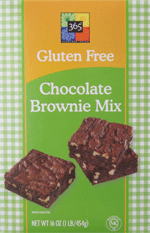
On a recent busy day when I needed a gluten free cake, I decided to use a mix from Whole Foods called 365 Everyday Gluten Free Chocolate Cake Mix. It was a bit more labor intensive than I would like for a mix. It called for adding butter (I used Earth Balance Buttery Sticks which are pareve), eggs, vanilla extract and buttermilk or yogurt. For the last ingredient, I subbed soy milk with white vinegar added (use 1 cup soy milk mixed with 1 tablespoon vinegar and allow to sit for 10 minutes) for the buttermilk. The result though, was fantastic, I liked it better even than the Cherrybrook Kitchen Gluten Free Mix. The texture was very close to glutenny cakes, and the taste was chocolaty and smooth. It lacked any odd taste or texture that sometimes occurs in gluten free cakes. The price was also reasonable, under $4 for one box. However, one box makes an 8 or 9-inch single layer cake. So for a traditional layered birthday cake, you would need two boxes. This seems to be the norm in gluten and allergen free boxed mixes. But, I feel it's still cheaper than a bakery cake!


Another new favorite is Nasoya's Silken Style Creations. This is a silken tofu product that comes in vanilla, chocolate or strawberry flavors, and is vegan, gluten free and dairy free. The chocolate flavor has the exact consistency of good chocolate pudding, and can be eaten straight out of the box as a dessert (o.k. put it in a bowl first...maybe). But, I discovered that it makes a good ingredient as well. I made a mousse using the chocolate flavor tofu for a base. I froze the remainder and came up with a great ice cream substitute. I used this to make ice cream sandwiches with gluten free cookies, I call them "Flying Soysers". The Nasoya website has an eggless, gluten free brownie recipe using the Silken Style Creations. Click on this link for the recipe.

In the waning days of summer, this is a fun project to make, and enjoy with the kids. They can personalize their ice cream sandwiches by choosing different flavor cookies and garnishes, such as sprinkles, mini-chocolate chips, coconut and finely chopped nuts (if not allergic).

Flying Soysers


1- 8 ounce container Rich's Whip
1 package
Nasoya Dark Chocolate Silken Style Creations
2 dozen gluten free cookies (store bought or homemade)
sprinkles or mini chocolate chips, optional

In a large bowl, using an electric mixer, beat Rich's Whip until stiff peaks form. Add Nasoya Dark Chocolate Silken Style Creations and continue to beat until well combined. Mixture will be a light chocolate color*.

Place half of cookies on a flat surface. Spoon 2-3 tablespoons of chocolate mixture into center of cookies. Cover with remaining cookies and press down until filling reaches edges of cookies. The "soysers" may now be rolled in sprinkles or mini-chocolate chips, if desired.

Wrap each "soyser" in plastic wrap, and freeze 3 hours to overnight, until filling has the consistency of ice cream. Serve straight from the freezer.

Yield: 1 dozen


*At this point it may be used as a mousse or placed in a freezer safe container and frozen for 3 hours to overnight, until it has the consistency of ice cream.

Thursday, August 20, 2009

Rice is Nice


BS"D

Most celiacs are intimately familiar with rice. They eat rice in its original form: white, brown, wild. And, they eat it in the form of pasta bread, crackers, cookies, cereals and cakes made from rice flour. Last week I tried to go gluten free for a whole week in order to better understand Lillie's condition. I was struck by how many rice products I ate. This great grain really kept me going, but I suppose it could also be boring if eaten plain, in frequency.


I had a pretty lousy week last week culminating in Rosie taking a trip to the Emergency Room in an ambulance due to a bad asthma attack. I had an ear infection, and the other kids were sick as well. My cleaning lady quit (where I come from a reason to don mourning black), and a few other minor misfortunes. So, it wasn't the best week to try to radically change my diet and go gluten free. But, I had been reading Elisabeth Hasselbeck's book The G-Free Diet: A Gluten Free Survival Guide, and she's just such a cheerleader I decided to just do it starting Sunday night.
Well, I found I ate a lot of rice products, and what Lillie complained about was true. She is always complaining that we don't have crackers for her---and sometimes a rice cake just doesn't cut it! She had a stomach flu last week, and all I could offer her was gluten free bread toast. Which, she refused as she seems to disdain all the brands I put before her. When you're sick and celiac, you just don't have time to order gluten free saltines off the Internet!

What I took away from my gluten free week (which lasted 6 days as I hit a wall on Friday when I realized I had only 2 hours to make Shabbos after returning from the ER, that not being enough time to make gluten free challah), was that little Lillie had to be building inner strength from this whole experience. G-d gave her the very special challenge of going through her childhood with celiac disease for a reason, and I truly believe it will only make her stronger. I'm glad I went gluten free this week, especially this very hard week, as it made me see how much planning and sacrifice a celiac has to make in order to feel well and preserve their health. As I bit into a glutteny (yet egg, nut and dairy free) cookie with a contented sigh Friday evening, I glanced over at the curly, redheaded fireball that is Lillie, and felt "gluten guilt". I could switch back to eating all my glutenfull favorites, and now truly appreciate the ease in which they are available. But, little Lillie could not. I felt a new respect for her and the difficulties she goes through on a daily basis. Now when she has temper fits over a cracker, I will understand better, and just try to weather the storm.


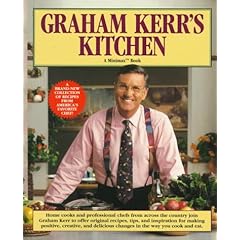
The upside of last week was that I found two nice cookbooks for 50 cents each on sale at my local library. To my surprise and delight, in Graham Kerr's Kitchen (remember the "Galloping Gourmet"? That's him!), I found a recipe for a savory pie crust made out of rice! He recommends it for quiches and any savory sort of pie. It's a lot easier than rolling out a temperamental crust, and contains much less fat than a traditional shortening and flour crust. FYI you can now get his book for 1 cent on Amazon...so I overpaid!


You must pre-cook the rice, but keep it slightly undercooked, so the crust won't be mushy.

Basic Rice and Cheese Crust
Graham Kerr's Kitchen, page 131

3 cups water
2/3 cup uncooked white rice, rinsed
1/4 cup freshly grated Parmesan cheese
1/8 teaspoon ground sea salt
1/4 teaspoon freshly ground white pepper
1 lightly beaten egg white

Pour the water into a medium saucepan, bring to a boil, add the rice, and boil for 10 minutes. Drain through a metal hand sieve or colander. Pour about 2 inches (5cm) of water into the same saucepan, bring to a boil, set the sieve of rice on top, cover, and let steam for 5 minutes. Transfer the rice to a bowl and immediately stir in the remaining ingredients, blending thoroughly. Place the mixture in a nonstick p-inch pie pan. Press it firmly into the shape of a crust, starting at the center and moving out. Raise the sides about 1/2 inch above the pan rim. It's ready to be filled.

Note: When it's time to add the filling, pour in two-thirds of the quiche filling and let it partially bake. Then pour int he rest of the filling and finish baking. This helps to set the custard and provide a great-looking full-to-the-brim top.


The other book I found was a tiny little booklet entitled, Popular Food from Israel 2000 by Ruth Sirkis. It has all the classic Israeli foods written up in simple recipes. I am a fan of M'jadarah (many variations in spelling of this dish), a savory lentil and rice dish popular across the Middle East. It is Middle Eastern comfort food at its best! Before the fast of Tisha b'Av, I made the Veganomicon version, which used allspice and cinnamon. I subbed brown rice for white, and it was fine. The meal held me over very well for the next 26 hours. The recipe below, is easy, very nutritious and delicious! Remember, the combination of legumes and rice is a complete protein. Try this for a vegetarian entree or a side dish.

Lentils
Popular Food from Israel, p. 46

1 cup dried lentils
1 1/2 teaspoons ground black pepper
2 onions
1/3 cup olive or canola oil
2 cups cooked white rice

Rinse the lentils and soak them in water for 30 minutes. Drain and place in a medium sized pot. Add 2 1/2 cups fresh water, salt and pepper. Bring to a boil, reduce the heat and simmer for 40 minutes, or until the lentils are tender. Drain the remaining water. While the lentils are cooking, chop the onions finely and fry them in half of the oil until golden brown. Remove to a small bowl. When the lentils are ready, add the rest of the oil to the skillet and saute the lentils, stirring constantly for 3 minutes, until the lentils look dry and crisp. Add the rice and half of the fried onions and continue to saute for another 2-3 minutes, tossing gently. Put in a serving bowl of platter, sprinkle the remaining onions on top and serve hot.

Yield: 6-8 servings as a side dish


Tuesday, August 4, 2009

Close, but different or Some people are just nice!


BS"D

Close, but different sounds to me like "separate but equal". The latter never really being so. I have begun to see that with gluten free baked goods, they are often close to "the real thing", but always a little different. As with kids with celiac or allergies, they are really regular, little kids with all the quirks that make them unique (and hopefully adorable) individuals. But, there is always that niggling little thing that makes them feel a smidge different. A "thing" which they must be aware and alert about at all times in order that they don't get violently sick. It's not easy, especially for the very little ones. But, every so often, there are people in their daily lives who get it, and go the extra mile to make them feel "normal".

Last Tuesday Lillie came home from camp very grouchy because Tuesday is cooking day for her group. They make nice things with simple recipes. They've made pretzels, knishes, and last week rugelach. As you may guess, all no-nos for Lillie. That Tuesday she was grousing because they ate the rugelach but the counselors didn't bring a snack for her. She wanted them to get her one, but that would require leaving the building where cooking took place, crossing a parking lot and large field to where their gear was kept. So she went without. Then she said one of the junior counselors took her to the art room while the other kids continued the cooking class. Lillie loves art. She doesn't seem to mind being different when the alternative to what she can't do is something she enjoys. Then this morning she told me her division head bought her something for cooking that she could make. "What", I said, "did you make it?" "No, I didn't feel like it", she answered. I felt bad that she didn't realize the division head had gone out of her way to make Lillie comfortable, but I was almost gleeful that this woman had really gone the extra mile for my daughter. I ran into her today and duly thanked her.

When I went to pick up Rosie from her little nursery camp, I saw one of the boys with an ice cream cone dripping strawberry ice cream. My chest tightened a bit and I tensed up. Her teacher does a theme for every week of camp, i.e., animal week, mitzvah week, watermelon week, etc. This week is ice cream week. When she told me that last week I figured I would have until Friday to figure out what I could do for Rosie to provide her with a non-dairy, eggless substitute. They have been making various ice cream themed projects, and I thought the actually ice cream wouldn't appear until the end of the week. I would ask the teacher if I could bring her Tofutti, or if she could provide ices for Rosie. But too late, I thought, as a gooey pink rivulet oozed down the little boy's hand. Then her enthusiastic teacher appeared before me rattling on how she had bought Soy Dream, and it was even Rosie's favorite flavor...strawberry. I breathed out a relieved sigh. How thoroughly thoughtful, and how lucky I am to have these considerate people in my life, I mused. Some days it is really hard, and some days it just isn't.


I decided to try making the simple recipes Lillie brings home from camp in gluten free versions. She made knishes one week and I felt it would be a challenge if I could create a gluten free version of the flaky, delicate dough that characterizes a knish. I have been using Jules Gluten Free All-Purpose Flour. It is a light, white flour blend with a "patented" ingredient called Expandex, which to me sounds like some sort of girdle from the 1950's, but is actually tapioca starch. It purportedly allows the gluten free flour to behave very much like wheat flour in baked goods. I have been putting the Jules GFAPF through its paces, with good results. However, with the knishes, I made the pastry dough and put it in the refrigerator for a couple of hours (as I would normally do with glutteny pastry dough), before rolling it out. When I took it out of the 'fridge it had the consistency of flubber. I had my gluten free baking a-ha moment. As, I think anyone who bakes gluten free will have eventually. It was that moment that I realized you cannot always treat gluten free dough like "regular" wheat flour dough. The Expandex had expanded and done its job a bit too well. What should have been delicate and flaky was, for want of a better word, flubbery! Nevertheless, I rolled it out and filled it with the very easy knish filling. I was motivated more by thrift than anything else. A five pound bag of Jules GFAPF is $19.99, and this recipe called for 4 2/3 cups of the stuff. When it came out of the oven I examined the golden loaf, then I tasted it. It was actually good. The dough was crusty, not flaky and delicate. But good in its own right. The end product was very tasty, and even more satisfying because it was so easy to make.

Kitchen Corner's Easy Knish Loaf

Note: These can be made into traditional individual knishes, or into one big loaf which is sliced before serving.

Dough:
4 2/3 cup Jules Gluten Free All-Purpose Flour*
4 teaspoons baking powder
1 1/2 cups water
1/2 cup oil
1/2 teaspoon salt

Filling:
Prepare 2 cups of instant mashed potatoes according to the directions on the box. Add 1 Tablespoon of instant onion soup or chicken consomme mix to the mixture.

Directions:
Mix the dough ingredients together until it forms a cohesive dough. Form into a ball and roll out thinly in a rectangular shape between two pieces of waxed paper. Put the mashed potatoes in the center of the dough. Fold the dough over to cover the potatoes, and pinch the edges closed. Note: If making individual knishes, slice dough into 4-inch squares, and fill with a dollop of potato filling.

Transfer the loaf to a cookie sheet sprayed with non-stick cooking spray. Bake at 425F degrees until the dough appears golden on top, about 20 minutes.

Note: You can brush the top of the dough with an egg wash for a shiny finish.


*Jules E. Shepard offers a homemade flour blend in her book, Nearly Normal Cooking for Gluten-Free Eating, if you don't have her prepared flour available. H I find her prepared mix convenient, as it is like having a 5 lb. bag of "regular" all-purpose flour in the kitchen! It is no more or less expensive than the brands available in the stores. Her flour blends are available online at www.julesglutenfree.com. Sometimes she has free shipping offers, so it's worthwhile getting on the mailing list.

All Purpose Nearly Normal Gluten-Free Flour Mix tm
(p. xv)

Mix together:
1 cup white rice flour
1 cup potato starch
1 cup cornstarch
1/2 cup corn flour
1/2 cup tapioca flour
4 teaspoons xanthan gum

Tuesday, July 28, 2009

Herbalicious


BS"D

I love nothing more in the summer months then stepping out the sliding doors to my patio, clipping some fresh herbs from the containers there, and going not more than the few feet back to my kitchen, and putting the vibrant green herbs into my cooking.

Many people are afraid to start vegetable and herb gardens because they don't know what to do with the plants. My theory is, don't over think it. My grandmother and mother always had lush vegetable gardens with zucchini's the size of baseball bats, and more tomatoes than we knew what to do with. In the summer months, whenever we kids would go to a friend to play we were given a brown paper grocery bag with the prolific veggies rolling around inside. I think we even began leaving it by friends' and neighbors' doorsteps in particularly bountiful years. As such, when Mother's Day rolls around I get the itch to plant. I feel compelled to plant tomatoes, but have found not much else grows in my moderately sunny patch. Herbs I have found to be the exception.

I have successfully grown basil, oregano, sage and chives. My basil seems to be the most successful, which prompted me to plant 3 varieties this year. My favorite are sweet basil and lemon/lime basil, which has a slight citrusy flavor that is lovely in salads. I have found that they do best planted in window boxes or containers. The window boxes are the best as they are shallow, and one bag of potting soil will go a a long way. I don't actually have them attached to windows, just sitting on a bench on my patio. By utilizing containers, as opposed to planting in the ground, I have found the herbs to be less bug infested, and there are very few weeds. This translates to low maintenance gardening. They come up very quickly, even when I am not on top of things and end up planting late. The kids love to help, and it is a great teaching tool to show them that this little seed yielded something they could now pick and eat. I think it makes them more interested in cooking if they know they had a hand in growing the ingredients.

Here are my herb growing tips:

1) Use a window box or container with drainage holes (or drill your own).

2) Line the bottom of the box with a single layer of paper coffee filters, allowing the water to drain out and keep the soil in the container.

3) Fill the boxes or containers 3/4 full with organic (my preference) potting soil and a few cups of fertilizer (manure or compost preferably).

4) Use seeds to start. They are cheaper than the starter plants and you get so much more in the end. I also think the seeds yield stronger plants.

5) Poke 3-4 inch holes in the soil several inches apart. Put a few seeds in each hole and cover with soil. Soak with water just after planting. Set in sunny area.

6) Depending on rainfall in your area, check every few days and water if dry. If you get a lot of rain, you will have to water infrequently.

7) When first buds of basil appear, pinch off the little leaves in the center. This is supposed to make them stronger.

8) After you pick your herbs, check them for bugs according to the laws of kashrut. I like to use the Star-K method.

9) If you want to pick and/or check your herbs in advance, wrap in a damp (not soaking) paper towel and refrigerate. They will still very fresh looking up to 24 hours.

10) Use kitchen shears to snip herbs directly into your cooking. No need to dirty the cutting board!


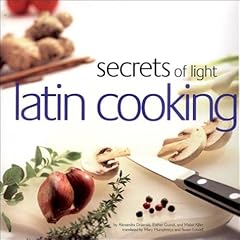
I came across a delightful cookbook in my library called Secrets of Light Latin Cooking by Alexandra Drijanski, Esther Guindi and Mabel Killer. It is translated from Spanish by Mary Humphreys and Susan Lowell. As far as I can tell, these women are members of the Jewish community in Mexico City. Some Sephardi and some not. Looking at the recipes, I can definitely see the Sephardi influence. There are recipes for rice stuffed vegetables and tabouli (not typical Latin American fare). Most of the desserts are appropriate for Passover. Although this is not ostensibly a kosher cookbook, there are no treif ingredients used in the book, nor mixing of meat and milk in any of the recipes. The recipes happen to also be extremely gluten free friendly, including many rice dishes and flourless desserts.

The recipes below, from this cookbook, not only make good use of fresh herbs, but they are also appropriate for the 9 days, which we are in currently. During the 9 days, we do not eat meat other than on Shabbat. If you do not have fresh herbs available, you may substitute 1 teaspoon dried herbs for 1 tablespoon fresh.

All the recipes below are good for getting kids involved in the kitchen. I think it is especially important when you have children with special dietary needs to understand about their unique food preparation needs. What better way to do this than set them to work in the kitchen. It's a great bonding experience, and you will be surprised how much they are able to do. Always use plastic knives with small children, and make sure they wash their hands after handling raw fish, meat or eggs.


Greens with Mango Dressing
(p. 34)
Serves 2

Ingredients:
3 cups salad greens
1/2 cup alfalfa sprouts
1/2 cup (mung) bean sprouts

Dressing:
1 Tablespoon lemon juice
2 Tablespoons orange juice
3/4 tablespoon Dijon mustard
1 Tablespoon oil
1 teaspoon chopped fresh cilantro
1/2 mango, cut into cubes

Puree together the ingredients of the dressing.

Pour the dressing over the vegetables.


Eggplant Stuffed with Rice
(p. 90)
Serves 2

Ingredients:
2 large eggplants (not peeled), cut in half and soaked in salted water for 30 minutes
salt
non-stick cooking spray (or 1 Tablespoon olive or canola oil)
1 teaspoon crushed garlic
1 teaspoon chopped red onion
3/4 cup peeled, seeded, and diced tomatoes
1/2 cup rice
2 cups water
2 Tablespoons fresh oregano, chopped*
2 Tablespoons Parmesan cheese

*The original recipe doesn't call for a specific amount of oregano. I estimated this to be an appropriate amount for the dish, but you may use more or less.

Remove the eggplant from the water, and scoop out the inside. Save a little of the inside of the eggplant and dice. Place in a small mixing bowl and add salt to taste.

Bake the eggplant shells at 350F degrees for 15 minutes.

Heat a frying pan over medium-high heat. Spray with cooking spray or oil, and saute the garlic, onion, tomato and diced eggplant. Add the rice allowing it to saute briefly. Add the water, salt, and oregano. Lower the heat, cover and simmer until the rice is tender, about 20 minutes.

Stuff the eggplant halves with the cooked rice mixture. Sprinkle with Parmesan cheese.

Bake at 350F degrees for 15 minutes longer.


The following recipe calls for "firm textured white fish", but I think salmon fillets would work well too.

Fish "Hamburgers"
(p. 109)

Serves 2

Ingredients:
10-ounces firm textured white fish, such as fresh cod
1 Tablespoon grated carrot
1 Tablespoon minced onion
1 teaspoon chopped cilantro
pinch of saffron (or turmeric)
1 teaspoon grated lemon zest
1 teaspoon crushed garlic
2 teaspoons fresh grated ginger
salt
1 egg white (or equivalent egg substitute)
non-stick cooking spray

Simmer the fish for 5 minutes in gently boiling water, then grind or finely chop it.

Mix together the rest of the ingredients, finishing with the egg white, which should be lightly beaten before being mixed in.

Form fish mixture into patties.

Spray a baking dish with non-stick cooking spray, place the patties in the dish, and bake at 350F degrees until they are browned, about 20 minutes.

Wednesday, July 22, 2009

Some Days are Just Hard


BS"D

Lillie came home hysterical today. I expected this kind of uncontrollable, can't catch your breath sobbing from some sort of fight between friends or tormenting by a bully. But, not over a cookie.

Apparently, her camp had a Rosh Chodesh (beginning of the month) celebration involving cookies that Lillie couldn't have, for obvious reasons. Neither her counselor or her division head, whom I had given a letter to about her condition just 2 days ago, contacted me in order to send a suitable treat to camp with her. She kept screaming that I should tell her counselor not to give the other campers anything with gluten. I tried to soothe her and asked if she wanted a cookie at home that she could have?

As Lillie sat nibbling on her Lieber's Passover chocolate chocolate chip cookies (which aren't bad) and sniffling still, I told her that it wasn't realistic for me to ask the counselor not to give the other kids gluten containing treats. Although, her cries pierced my heart more than she could know, I felt I couldn't be her hero this time. Mommy really couldn't make it better. I could provide her an alternative, but I couldn't change her world. It is a terrible feeling when a child realizes their mommy or daddy aren't the heros they thought they were for so long, making everything right in a seemingly swift motion.

I am dreading pizza day on Friday, when the whole camp will be happily munching on steaming slices of cheesy goodness from the pizza store. I am hoping there is some child with a wheat or dairy allergy that will also be eating a lunch from home. But, as with any special circumstance which makes a person different, whether small or dramatic, there are challenges to be faced---sometimes daily. I am hoping these cumulative experiences will maker her stronger. I recognize that it is especially challenging when a child has to face them. I couldn't imagine an adult diagnosed with celiac throwing a tantrum at a cocktail party because they couldn't have the canapes. They may be dissappointed, perhaps desirous of the food, but emotionally scarred...I don't think so.

Lillie said she was sorry she told us that her stomach hurt. I thought it quite perceptive of her to recognize that if she hadn't spoken up, she wouldn't have been going through all of this right now. I tried to explain to her it was a good thing she was diagnosed now, as alot of damage could occur if she wasn't. She paused for a moment, but overall I think she just wanted that cookie like the other children. Five years old do have a tendency to want to live for the day.

I drafted a memo for her school teacher, as well as camp counselors (see below) in an effort to ensure that her physical and emotional needs are met while she is in their care . I also provided a list of permissable candies (see Dalla R.O.C.K.S. entry below), and ingredients that are problematic. For all its worth, it's not followed 100%, as I saw today. But, I feel clear guidelines help these caregivers who are not otherwise knowledgable of celiac disease .

MEMO

I would like to outline a few issues related to Lillie’s diagnosis of celiac disease. Please share these with any teachers or staff members who may be handling food for her. Attached you will find a list of ingredients which Lillie cannot eat in any form.

* Celiac Disease is an autoimmune disorder. Celiac’s cannot tolerate gluten found in foods. They may not eat wheat, rye, barley and sometimes oats in any form. It is not a food allergy. Even 1/8 of a teaspoon of gluten can cause a reaction in the celiac’s body. Lillie would get a bad stomachache upon consuming gluten.

* Given her age, Lillie understands that she is allergic to wheat. Even though celiac disease is not a food allergy, this is the simplest way to explain it to her and ensure she doesn’t eat items with wheat.

* Lillie’s food must not be on the same plate or in any way touch gluten containing products. If someone makes a mistake, throw out her food. Do not try to “clean off” her food from gluten crumbs. A small amount of gluten in her body has the same effect as eating a whole loaf of bread.

* Regarding brachos (blessings), many of the foods she will be bringing to school may look like they require mezonos or hamotzi. However, given their ingredients they may be shehakol and bread may be mezonos (or even shehakol). I will try and label them accordingly, and she knows certain items by heart. Many of the items that require a mezonos (i.e. rice bread) bracho only require Borei Nefashos afterwards.

* A bag of snacks and treats that are gluten-free has been given to her teacher. In case of a party, please contact me in advance, if possible, so I may send in a cupcake that she can eat. Some items like plain potato chips, fruit and plain corn tortilla chips she can have. In that bag are rice cakes and soy “peanut” butter. If she forgets her lunch, please give her this as she can no longer have the sandwiches provided by the school. Please discontinue serving her the school lunch.

* She must was her hands after playing with Play-Doh as it contains wheat.

* Regarding projects involving the above forbidden foods, such as baking challa, she may participate and bring the items home, but she cannot eat them herself. In addition, she must wash her hands after the project.

* Any questions about celiac disease or gluten intolerance, I can recommend: www.celiac.com.

Thank you for your ongoing consideration in this matter. If you need to reach me with any questions or concerns, my phone numbers are: home....and cell....

Tuesday, July 21, 2009

Serendipitous Sweets


BS"D


Viana La Place's charming book Desserts and Sweet Snacks: Rustic Italian Style, is not specifically a gluten free cookbook. But, this inviting, slim volume, which contains beautiful photographs, emphasizes seasonal and not too sweet endings for a meal.

I found many naturally gluten free recipes, such as Fresh Figs with Chocolate and Almond Stuffing (doesn't your mouth just water with the title), Summer Fruits with Rose Water and Lemon, and Perfumed Panna Cotta.


I truly believe Americans have cornered the market on sticky, gooey desserts. If you want a loaded chocolate chip cookie, look to an American cookbook, not a French gastronomic tome. But, the Europeans have the market on delicately balanced desserts to compliment, not overwhelm a meal.

Here are two delightful desserts that are not only gluten-free, but good for Passover from Ms. La Place's cookbook:


Chocolate and Espresso Cake
The author suggests baking this cake a day in advance to intensify the espresso flavor.

3/4 Cup whole unpeeled almonds
1/2 cup chopped walnuts
4 ounces bittersweet chocolate, melted
5 eggs separated
3/4 cup sugar
2 Tablespoons finely ground espresso (or instant coffee granules)

Pre-heat the oven to 350F degrees. Spray a 9-inch round springform pan with non-stick cooking spray.

Finely grind the nuts using a coffee-grinder or blender.

In a large mixing bowl, using a fork, lightly beat the egg yolks. Stir in the sugar, nuts, melted chocolate, and espresso. Mix well.

In another mixing bowl, beat the egg whites until stiff peaks form. Carefully fold the egg whites into the chocolate mixture. Pour into the prepared cake pan.

Place in the oven and bake for about 55 minutes. It is ready when a toothpick inserted in the center comes out clean. Remove form the oven and let rest a few minutes, unmold and serve.

Yield: 6-8 servings

Ricotta with Cocoa and Brandy
This easy to assemble dessert makes an elegant dairy dessert.

1 pound whole milk ricotta cheese
1/4 cup sugar
3 Tablespoons dark cocoa plus extra for sifting over the top
3 Tablespoons brandy or orange juice
1/4 cup unpeeled almonds, toasted and coarsely chopped
Powdered sugar

To remove lumps from the ricotta cheese, process in the food processor until smooth.

In a bowl, combine the ricotta with the sugar, cocoa, and brandy, and stir well to combine.

Refrigerate until ready to serve.

To serve: spoon the mixture into small dessert bowls. Dust with cocoa powder, sprinkle the top with toasted almonds, then dust with powdered sugar.

Note: To toast the nuts, spread on a baking sheet and toast in a 350F degree oven for about 10 minutes.